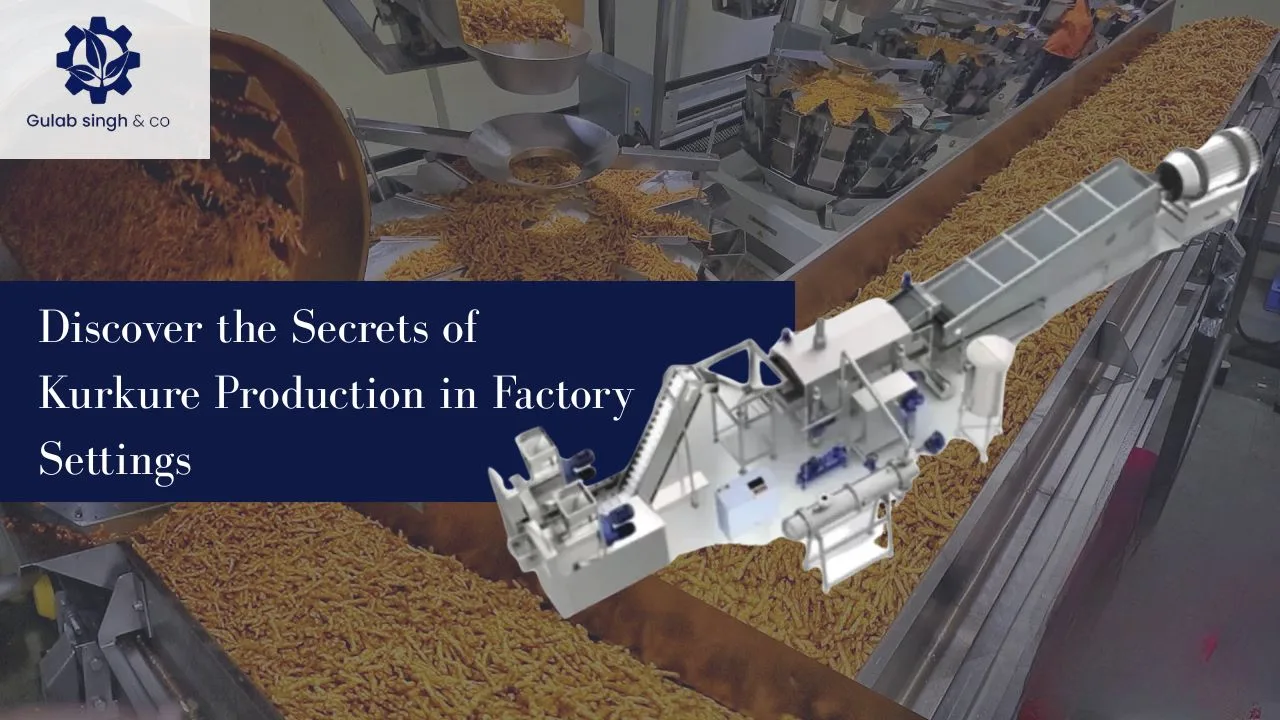
Gulab Singh & Company brings you closer to the fascinating world of kurkure production by unveiling the secrets behind one of India’s most loved crunchy treats. Our company continues to provide advanced solutions that make the kurkure making machine efficient, hygienic, and scalable for businesses of all sizes.
Modern factories depend heavily on automation to streamline the kurkure making process. Automated systems reduce manual intervention, minimize errors, and increase production speed. We focus on delivering automation-driven solutions that help manufacturers achieve higher productivity while maintaining quality standards. Our machines are designed to handle large volumes without compromising on efficiency.
How is Kurkure Made
The kurkure making process begins with the selection of high-quality raw materials such as cornmeal, rice meal, and gram flour. These ingredients are carefully measured and blended to create a uniform mixture. Maintaining the right proportion is essential, as it directly affects the texture and taste of the final product.
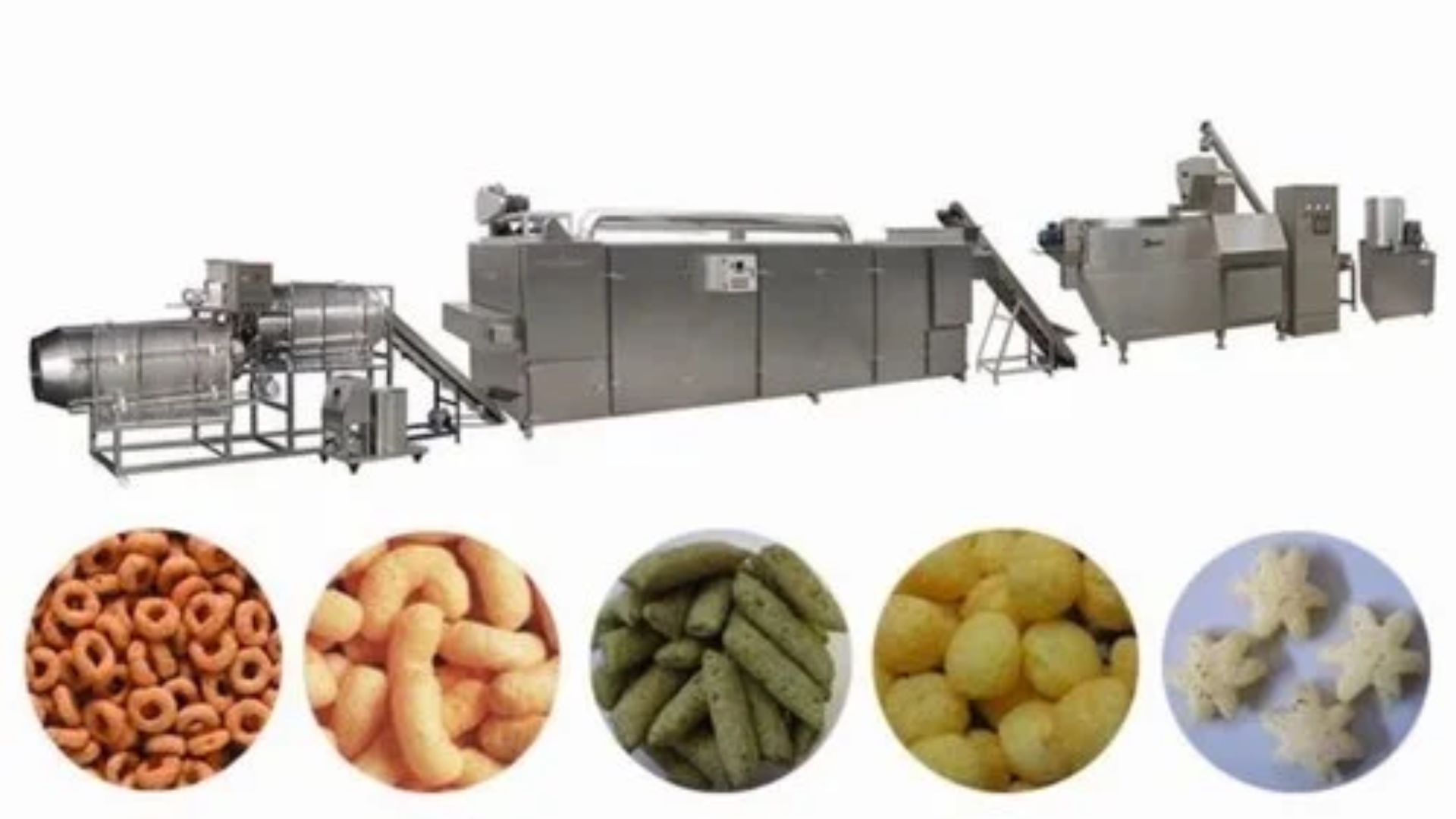
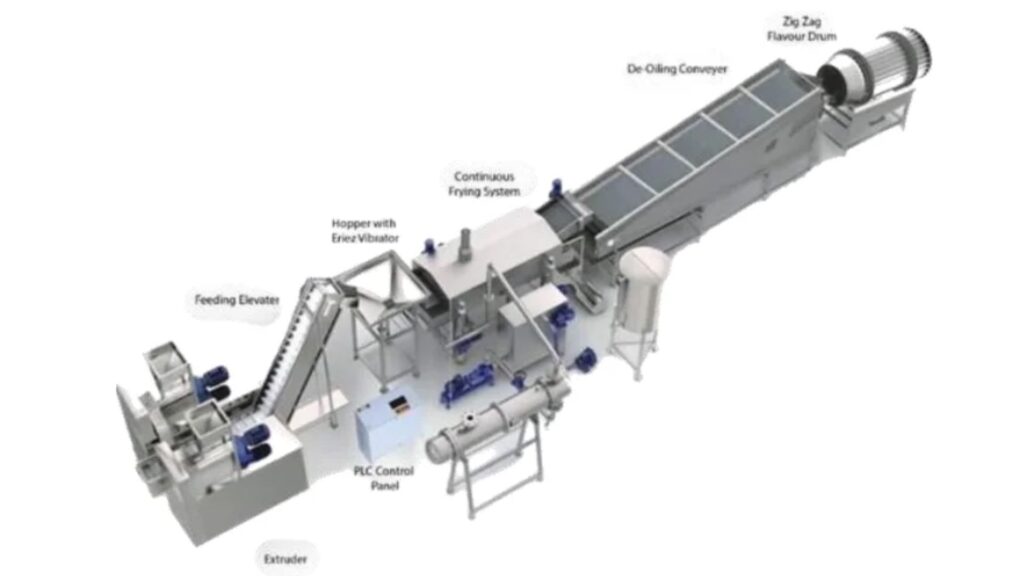
Once the mixture is ready, it is fed into an extruder machine. This is where the magic begins. The machine applies heat and pressure to the mixture, shaping it into the signature irregular curls that Kurkure is known for. The extrusion process plays a key role in defining the snack’s unique texture—light, airy, and crispy. Gulab Singh & Company designs machinery that helps manufacturers maintain uniformity throughout the production cycle, ensuring every batch meets quality standards.
Is Kurkure Fried or Baked
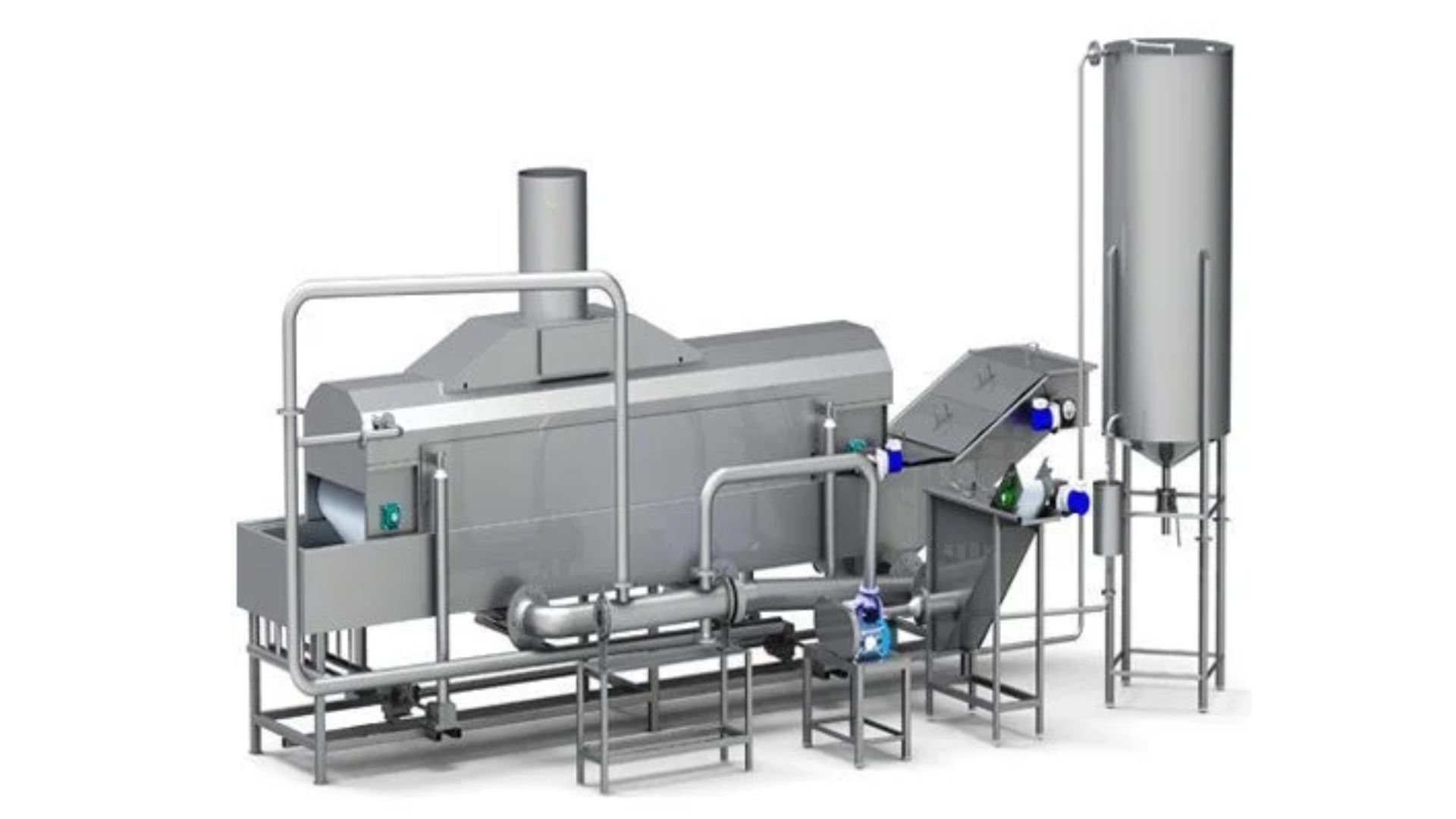
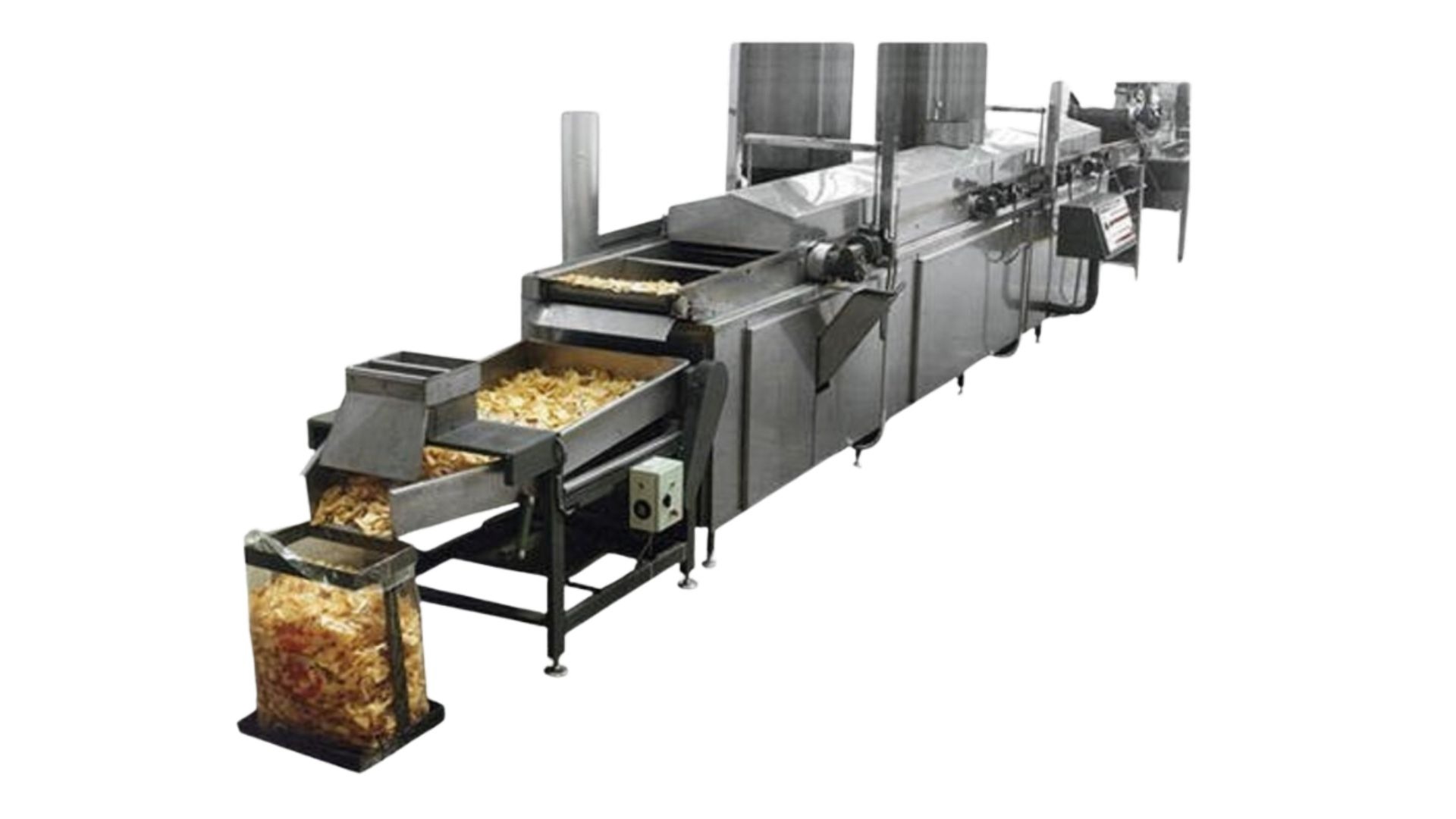
One of the most common questions people ask is whether Kurkure is fried or baked. The answer lies in understanding the industrial process. Traditionally, Kurkure is fried to achieve its signature crispiness and flavor. After extrusion, the snack is passed through frying units where it is cooked in edible oil at controlled temperatures.
Frying enhances the texture, making the product crunchy while also helping in flavor absorption. Once fried, the excess oil is removed, and the product is cooled down before seasoning. Gulab Singh & Company keeps up with these trends by offering flexible machinery solutions that can adapt to both frying and baking techniques, depending on the production requirement.
Also Read : How Are Puffed Snacks Made: The Process Behind Corn Puffs and Cheese Puffs
Step-by-Step Kurkure Making Process
The kurkure making process is a well-structured and carefully controlled method that transforms simple ingredients into a crunchy and flavorful snack. Modern factories use advanced machinery and automation to ensure consistency, hygiene, and high production efficiency.
1. Selection of Raw Materials
The process begins with selecting high-quality raw ingredients such as cornmeal, rice flour, gram flour, edible oil, and spices. The quality of these ingredients plays a major role in determining the final taste and texture of the product.
2. Mixing and Blending
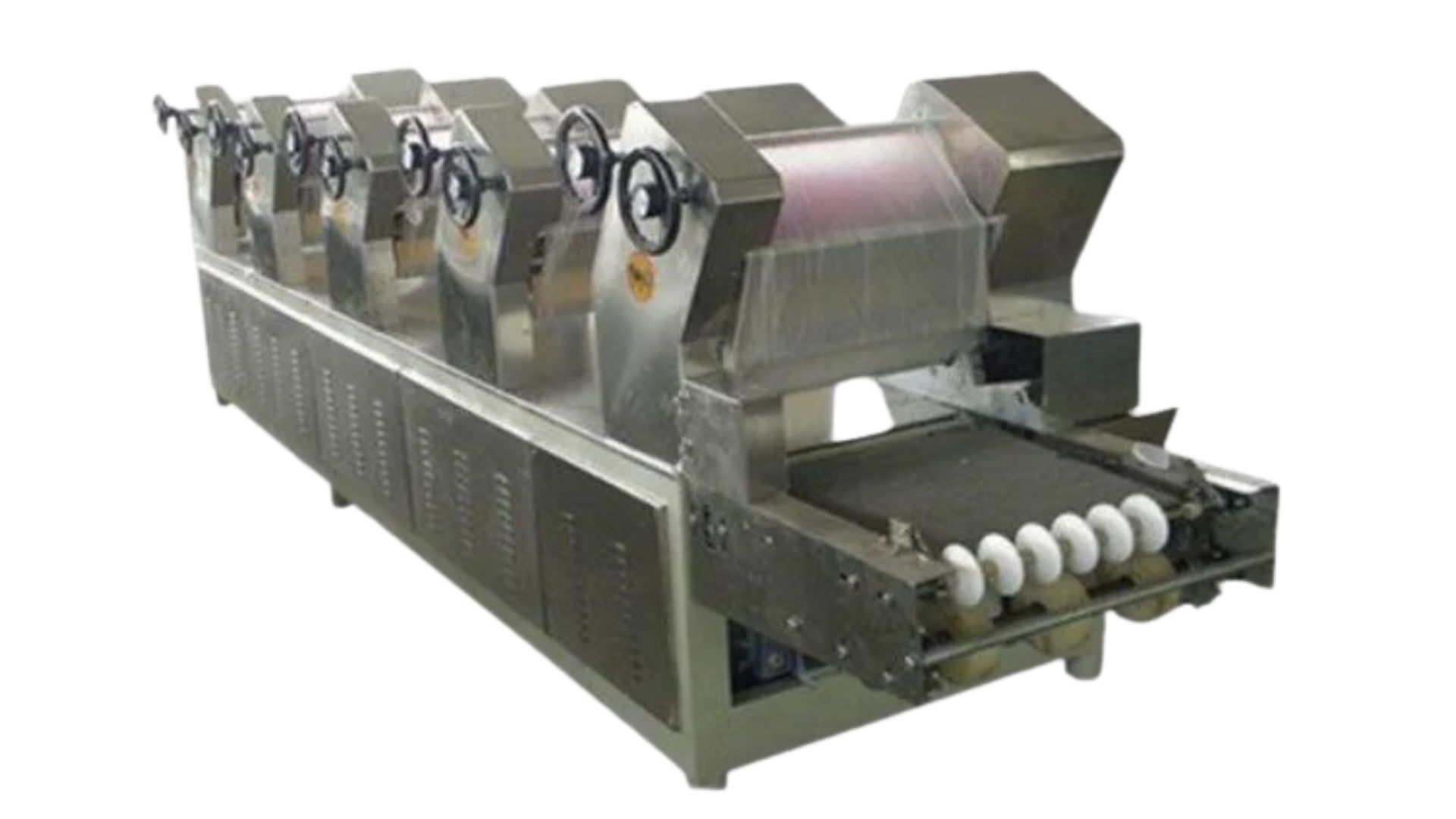
All the ingredients are mixed in precise proportions using automated mixers. The goal is to create a uniform dough-like mixture that will be easy to process further.
3. Extrusion Process
The prepared mixture is then fed into an extruder machine. This is one of the most important steps in the kurkure making process. The extruder applies heat and pressure to the mixture, shaping it into the unique twisted and irregular form of Kurkure.
4. Cutting and Shaping
As the product exits the extruder, it is cut into desired sizes using automated cutters. The shaping is done instantly, ensuring that each piece has a consistent appearance. Modern equipment helps offer precise cutting without damaging the structure of the snack.
5. Frying or Cooking
After shaping, the product moves to the frying section. It is cooked in edible oil at controlled temperatures to achieve its signature crunch. Proper temperature control is essential in the kurkure making process, as it affects both texture and taste. Some modern setups also offer and provide alternative baking methods for healthier options.
6. Oil Removal and Cooling
Once fried, the excess oil is removed using de-oiling systems. The product is then allowed to cool down before moving to the next stage. This step ensures that the snack remains crispy and not overly greasy.
7. Seasoning and Flavoring
The cooled Kurkure is transferred to seasoning drums where spices and flavors are evenly coated. This is where the snack gets its distinct taste. Automated systems provide uniform seasoning, ensuring every piece is equally flavorful.
8. Quality Check
Before packaging, the product goes through strict quality control checks. Factors like taste, texture, color, and hygiene are carefully monitored. This step ensures that only high-quality products reach the market.
9. Packaging
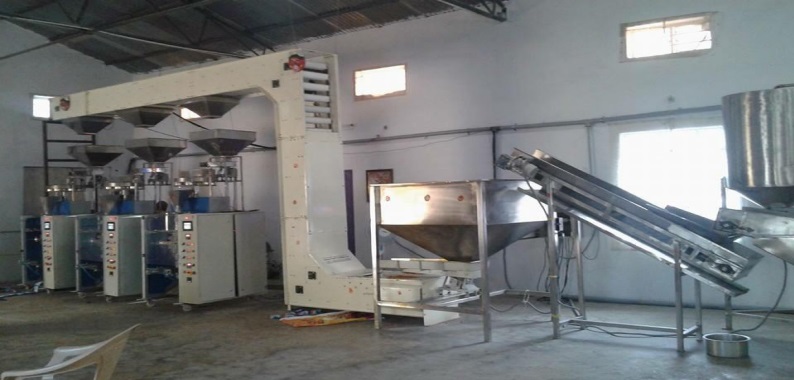
The finished product is packed using high-speed packaging machines. Airtight packaging helps maintain freshness and extends shelf life. Modern systems offer and provide efficient packaging solutions that meet industry standards.
Benefits of Factory-Based Production
Producing Kurkure in factory settings offers several advantages:
- Consistent quality and taste
- High production capacity
- Improved hygiene and safety
- Reduced labor costs
- Faster turnaround time
By using advanced machinery, manufacturers can ensure that every batch meets consumer expectations. Gulab Singh & Company continues to provide solutions that empower businesses to scale their operations with confidence.
The kurkure making machine involves multiple stages, each requiring precision and efficiency to deliver the perfect product. With its advanced machinery and industry experience, Gulab Singh & Company continues to offer reliable solutions for Kurkure production in factory settings. For businesses looking to enter or expand in the snack manufacturing industry, partnering with the right company can make all the difference in achieving success.