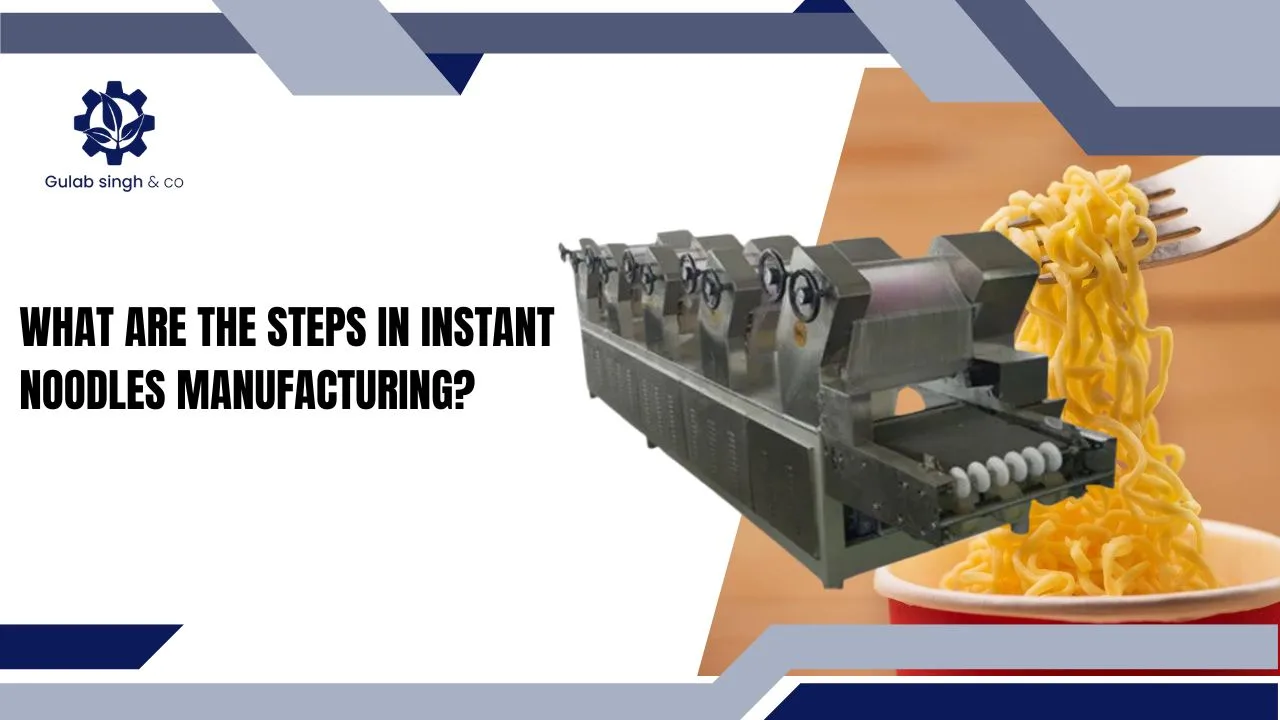
Gulab Singh & Company provide advanced food processing solutions for businesses involved in noodle production and packaged food manufacturing. Instant noodles have become one of the most popular convenience foods across the world because they are affordable, quick to prepare, and available in different flavors. Due to increasing consumer demand, many food manufacturers are investing in modern instant noodle production systems to improve efficiency, quality, and production capacity. Modern manufacturing plants use automated systems to handle every stage of noodle production, from mixing raw materials to packaging finished products.
Understanding the steps involved in instant noodles manufacturing helps businesses choose the right machinery and improve overall operational performance.
1. Raw Material Preparation
The first step in instant noodle manufacturing is preparing the raw materials. High-quality raw materials are important for producing noodles with better texture, taste, and shelf life. An advanced instant noodle making plant uses automated ingredient feeding systems that improve accuracy and maintain consistent product quality.
2. Dough Mixing Process
After raw material preparation, the ingredients are transferred to the dough mixing section. In this process, flour, water, and other ingredients are blended evenly to create soft and elastic dough. Modern instant noodle making machine systems include high-speed mixers that ensure proper dough consistency.
3. Dough Resting and Aging
Once the dough is prepared, it is allowed to rest for a specific period. This step is known as dough aging or resting. During this process, moisture spreads evenly throughout the dough, making it smoother and easier to process. Proper resting also improves dough flexibility and helps achieve better noodle texture.
4. Dough Sheeting Process
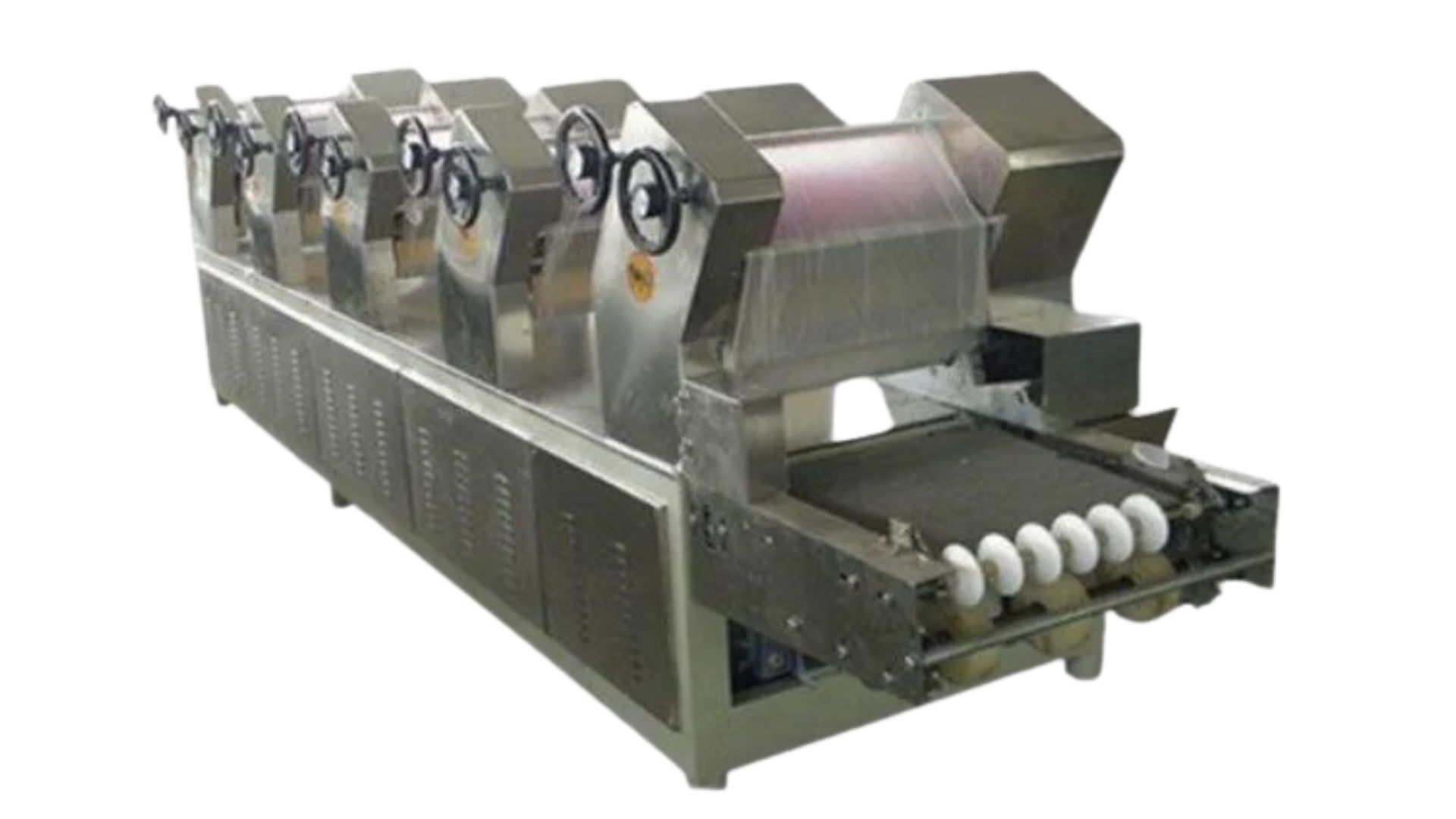
After resting, the dough moves to the sheeting section where it passes through multiple rollers. These rollers flatten the dough into thin sheets of uniform thickness. Advanced instant noodle making machine systems use adjustable rollers that allow manufacturers to produce noodles in different sizes and styles.
5. Slitting and Waving
The flattened dough sheets are cut into thin noodle strands using slitting machines. The noodles then pass through a waving conveyor system that gives them their familiar curly shape.
The waving process helps improve noodle appearance and allows better cooking performance after packaging. Modern instant noodle making plant systems use precision cutting and shaping equipment to maintain uniform noodle size and quality throughout production.
6. Steaming Process
After shaping, the noodles enter the steaming chamber. Steaming partially cooks the noodles and gelatinizes the starch present in the dough. An advanced instant noodle making machine includes automated steam control systems to maintain accurate temperature and processing time.
7. Cutting and Portioning
These noodle blocks are prepared according to packaging requirements. Different manufacturers may produce square, round, or cup-style noodle portions depending on market demand. Automated cutting systems in an instant noodle making plant ensure accurate sizing and reduce material wastage.
8. Frying or Drying Process
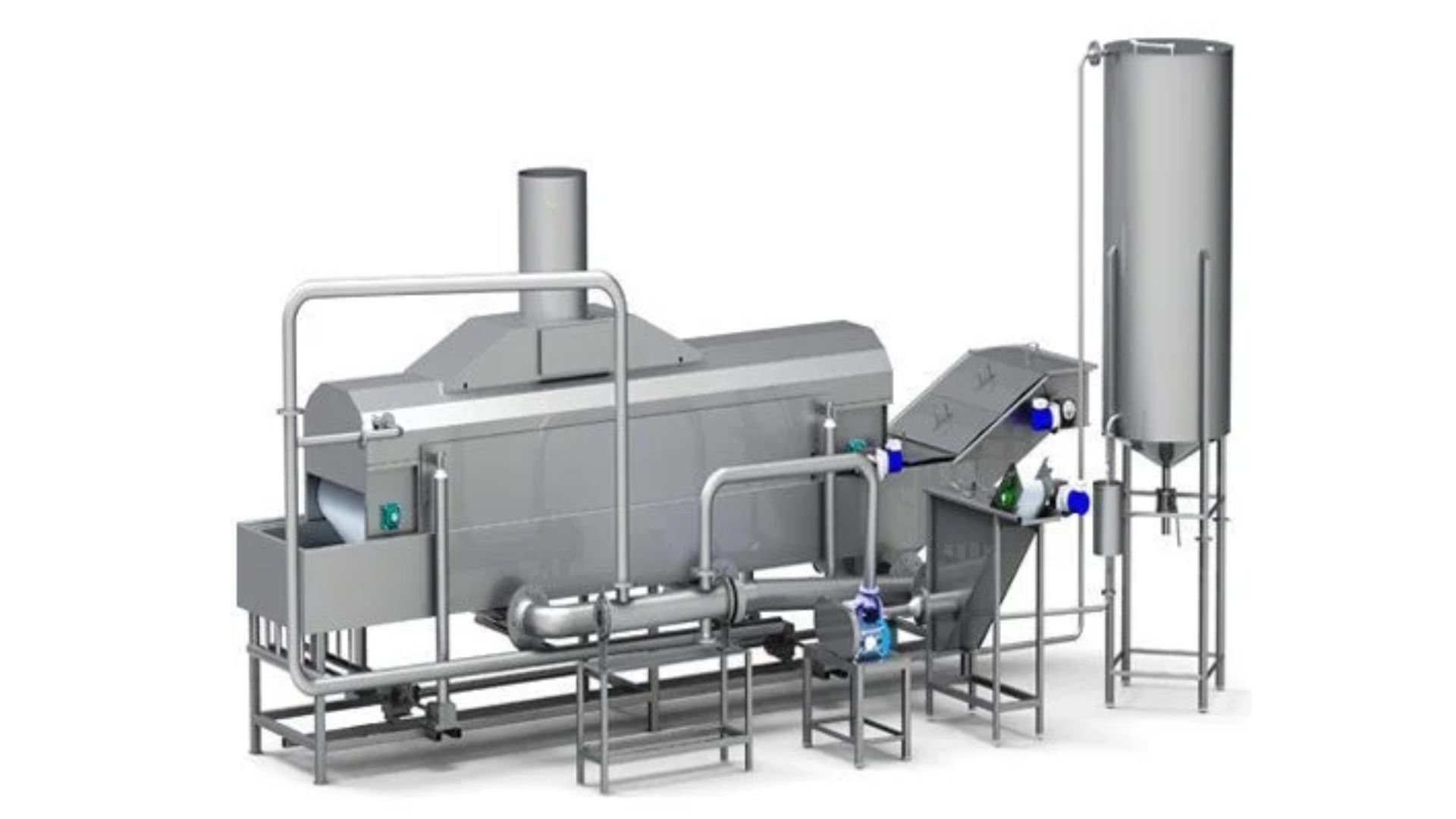
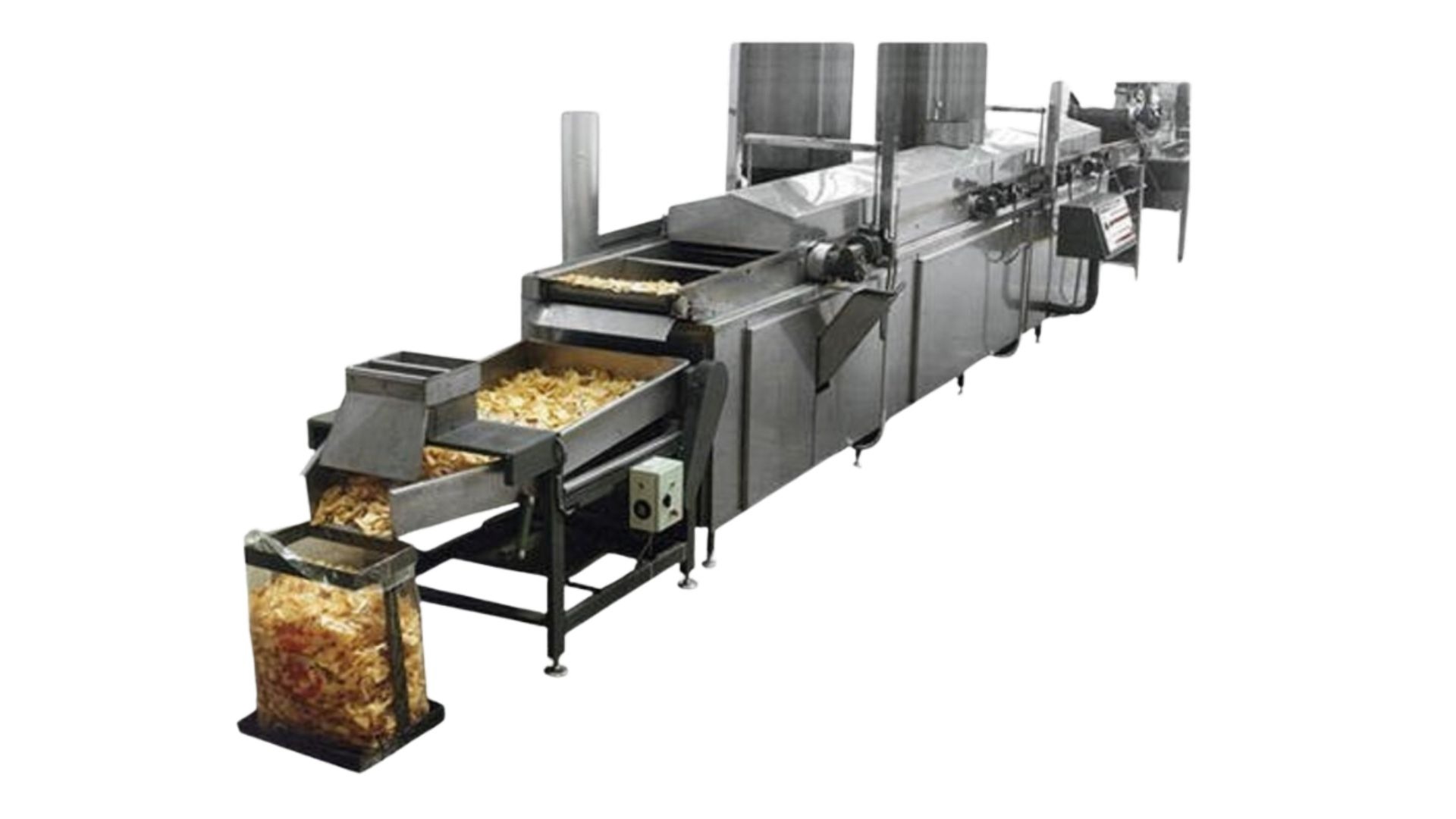
This stage is one of the most important steps in instant noodle manufacturing. The noodles are either fried in hot oil or dried using hot air systems. In fried noodle production, the noodle blocks are cooked in oil for a short period to remove moisture. This gives noodles a crispy texture and longer shelf life.
9. Cooling Process
After frying or drying, the noodles are cooled before packaging. Cooling prevents moisture buildup inside the packaging and helps maintain product freshness. Proper cooling is essential for preserving noodle quality and extending shelf life.
Automated cooling conveyors in an instant noodle making plant improve production speed and maintain hygienic conditions.
10. Seasoning and Packaging
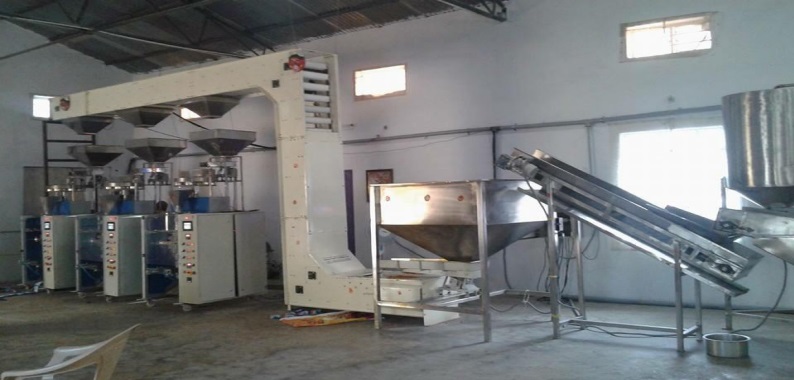
Once cooled, the noodles are packed along with seasoning sachets, flavor packets, and vegetable mixes. Packaging machines seal the products in airtight packets to protect them from moisture and contamination. Modern instant noodle making machine systems use high-speed automated packaging equipment for efficient and hygienic operations.
Advantages of Modern Instant Noodle Making Plants
Today’s automated manufacturing facilities provide numerous benefits for food producers.
- High Production Capacity: Automated equipment can manufacture thousands of noodle packs per hour.
- Consistent Product Quality: Precision controls ensure uniform texture, shape, and taste.
- Reduced Labor Requirements: Automation minimizes manual handling and improves operational efficiency.
- Improved Hygiene: Food-grade materials and enclosed processing systems maintain high sanitation standards.
- Lower Operating Costs: Efficient machinery reduces waste, energy consumption, and maintenance requirements.
Why Choose Gulab Singh & Company?
Gulab Singh & Company offer reliable food processing machinery for businesses involved in noodle manufacturing and packaged food production. Our company specializes in advanced instant noodle making machine solutions designed for high efficiency, durability, and consistent performance. Our modern instant noodle making plant systems are built using quality materials and advanced engineering technology to meet the growing needs of the food processing industry.
The production of instant noodles involves a carefully controlled sequence of operations, from raw material preparation and dough mixing to steaming, drying, and packaging. Every stage contributes to the quality, taste, and shelf life of the final product. A modern instant noodle making machine and a well-designed instant noodle making plant enable manufacturers to achieve efficient production while maintaining strict quality standards. Gulab Singh & Company continues to offer dependable noodle manufacturing solutions for businesses seeking growth, efficiency, and product excellence.