How to Start a Profitable Potato Chip Business – A Guide by Gulab Singh and Company
Potato chips are one of the most loved and enjoyed snacks across the globe, From children to elders, almost everyone likes the crispy crunch and mouth watering taste of a good chip In India, chips have become a part of daily life you see people munching on them with evening tea, enjoying them with cold drinks at parties, or simply grabbing a small packet as a quick snack while traveling.
The popularity of potato chips is not just about taste it is also about how easily they fit into any moment of the day, Because of this huge and constant demand, the potato chip industry continues to grow year after year, This creates a golden opportunity for anyone who wants to start a food business Whether you aim to supply locally or dream of building a well-known brand, potato chips can open the door to a profitable venture.
The best part is, with the right planning, quality machines, and proper marketing, this business can give you steady income for many years In the next sections, we’ll walk you through a simple, step by step guide to starting your own profitable potato chip business — from setting up the production to reaching customers effectively.
1. Know Your Market
Before you start, you should understand your market. This means finding answers to these questions:
- Who will buy your chips? (Local shops, schools, supermarkets, restaurants, tea stalls)
- What flavors are popular? (Salted, masala, tomato, cream & onion, etc.)
- What size packets sell the most? (₹5, ₹10, ₹20)
- Who are your competitors and how much they sell for?
You can visit nearby markets and shops to get this information. Write it down and keep it with you — it will help in planning your product and price.
2. Make a Simple Business Plan
A business plan is like a road map for your success. It will help you avoid mistakes. Your plan should include:
- Investment amount – How much money you will put in the business.
- Machine cost – For washing, slicing, frying, and packing.
- Raw materials cost – Potatoes, oil, spices, packing material.
- Manpower – How many people will work with you.
- Sales goal – How much do you want to sell each month.
3. Arrange Money for the Business
You will need some money to start. Even a small-scale chips business needs investment for machines, raw materials, and rent. You can arrange money by:
- Using your savings
- Taking help from family or friends
- Getting a small business loan
- Using government schemes for food processing units
4. Choose the Right Location
Your factory or workshop should be in a location that is:
- Easy to reach by transport
- Has a good water supply
- Has electricity all the time
- Not too far from the market
- Not in a very polluted or dusty area
If rent is too high in the city, you can choose a nearby area with lower cost but still good transport facilities.
5. Buy the Right Machines
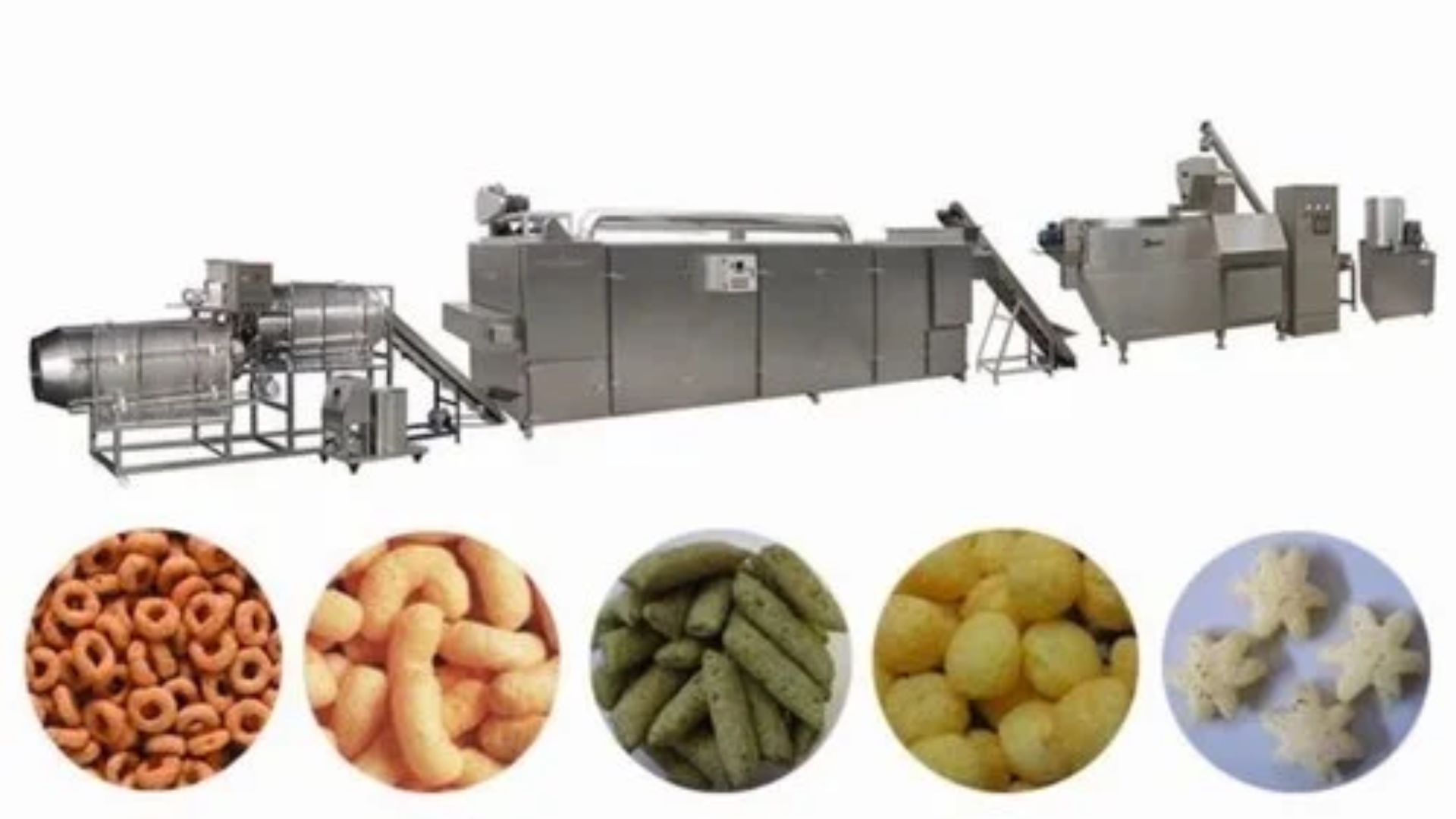
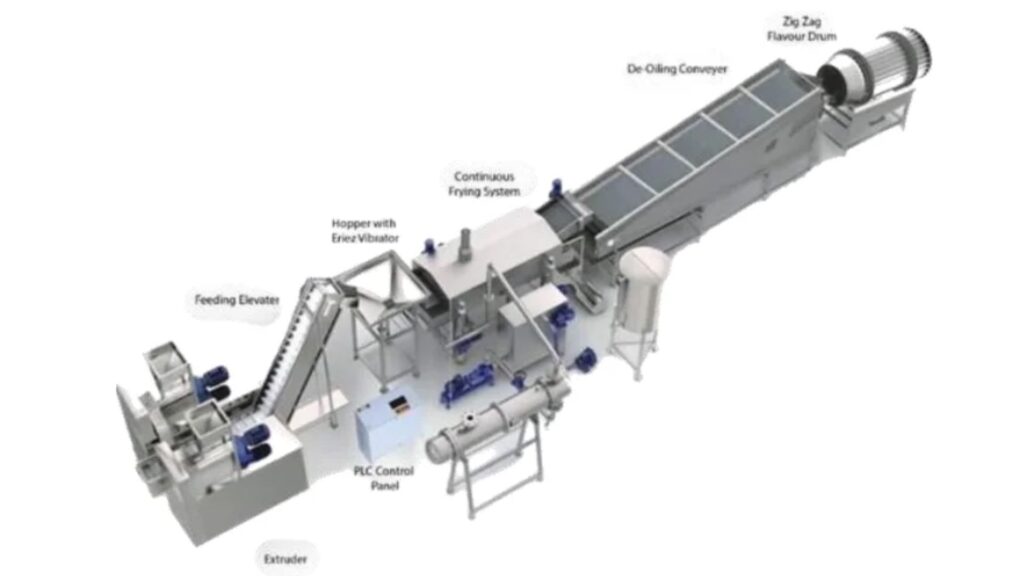
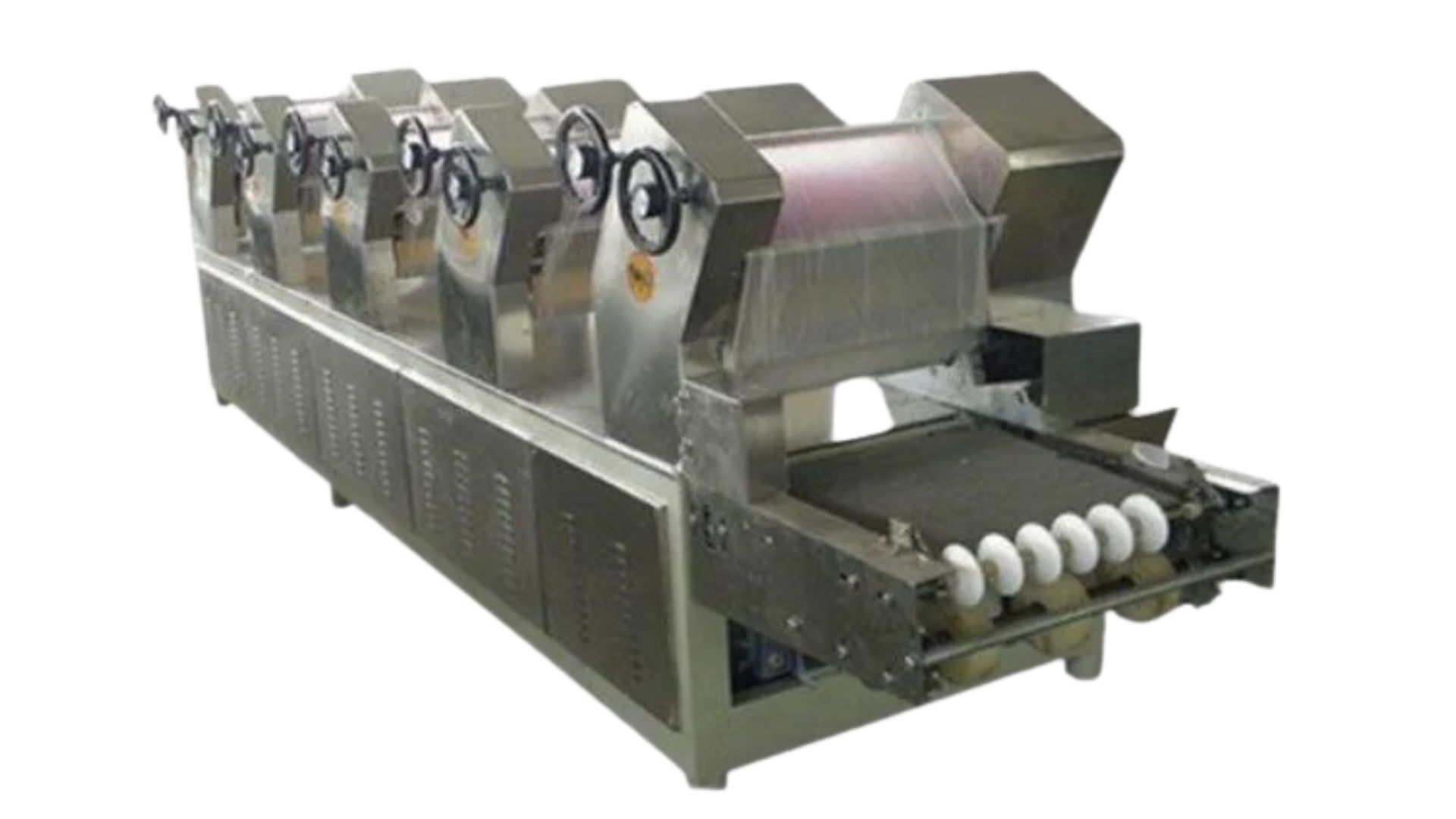
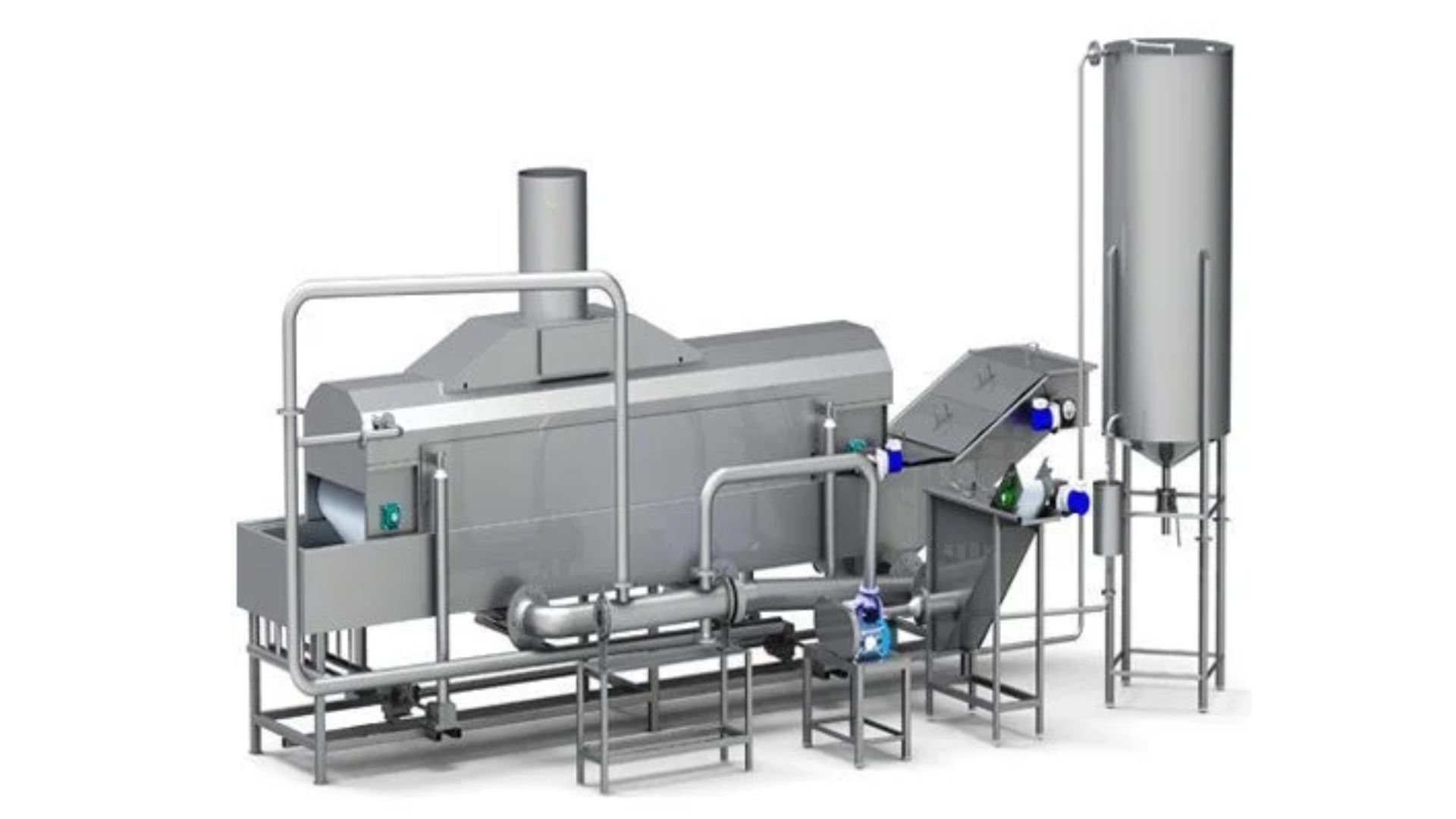
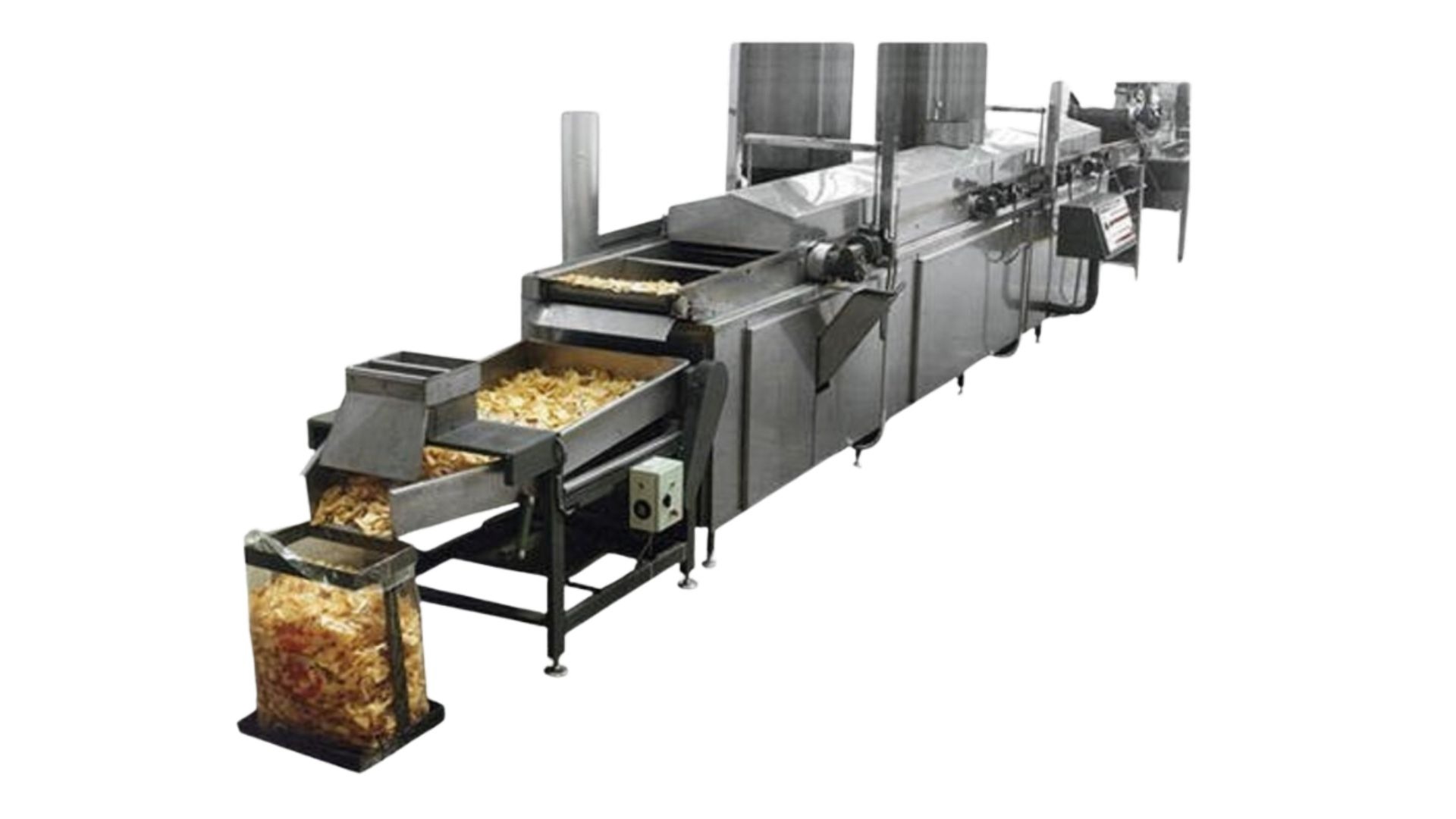
Machines are the heart of the chips business. With the right machines, you can work faster and make better chips. Gulab Singh and Company offers high-quality machines for potato chip production. The main machines you need are
- Potato Washing and Peeling Machine – Cleans and removes the skin of potatoes.
- Potato Slicing Machine – Cuts potatoes into even thin slices.
- De-watering Machine – Removes water after washing the slices.
- Deep Fryer Machine – Fries the chips at the correct temperature for perfect crispness.
- Oil Separator – Removes extra oil from fried chips.
- Seasoning Machine – Mixes salt, masala, or flavors evenly.
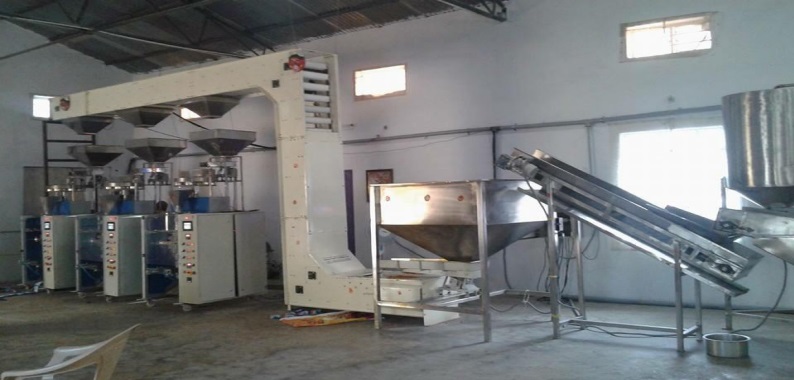
- Packaging Machine – Packs chips in sealed packets to keep them fresh.
Always buy machines from trusted suppliers to avoid breakdowns and poor quality.
6. Arrange Raw Materials
For making chips, you need:
- Potatoes – Fresh, large, and of good quality.
- Edible Oil – Fresh oil for good taste and health.
- Flavors and Spices – Salt, masala, tomato powder, onion powder, etc.
- Packing Material – Colorful and airtight packets with your brand name.
Consider purchasing in bulk from wholesale suppliers to save money.
7. Learn the Process
The basic potato chips making process is:
- Wash and peel the potatoes.
- Slice them into thin pieces.
- Rewash slices to remove extra starch.
- Remove water from slices.
- Fry slices in oil until golden and crispy.
- Remove extra oil from fried chips.
- Add flavors or spices.
- Pack chips in sealed packets.
Always maintain cleanliness in your work area to keep your product safe and tasty.
8. Decide Your Packet Sizes
Packet size is important for sales. Small packets (₹5) sell well in schools and street shops. Medium (₹10) and large (₹20 or ₹50) packets are good for supermarkets and big stores. Offer different sizes to reach all types of customers.
9. Get Licenses and Registration
To run your business legally, you need:
- FSSAI License – For food safety approval.
- GST Registration – For tax.
- Trade License – From local authorities.
If you start small, you can get basic registration first and upgrade later.
10. Branding and Marketing
A good brand name and logo will make your chips stand out. Use bright colors and simple design for your packets.
For marketing:
- Give free samples in local shops.
- Offer better profit margins to shopkeepers.
- Promote on social media like Facebook, Instagram, and WhatsApp.
- Distribute flyers in local areas.
- Participate in local fairs and events.
11. Sell in Multiple Places
Do not depend on only one market. Sell your chips to:
- Local kirana shops
- Supermarkets
- School canteens
- Tea stalls and street vendors
- Online food and grocery platforms
The more selling points you have, the more profit you can make.
12. Maintain High Quality
Quality is the key to success. Always:
- Use fresh potatoes and oil.
- Keep machines and area clean.
- Avoid stale flavors or spices.
- Pack chips in moisture-proof packets.
- Taste your product regularly.
If your chips taste fresh and crispy every time, customers will keep coming back.
13. Control Your Costs
Profit is what you get after selling price minus total cost. To control costs:
- Buy raw materials in bulk.
- Avoid wastage of potatoes and oil.
- Use machines that save time and oil.
- Train workers for better efficiency.
14. Keep Records
Write down all your expenses and sales. This will help you see your profit and find out which flavors sell the most.
15. Grow Your Business
Once your chips business is running well, you can:
- Add new flavors like cheese, peri-peri, or lemon chili.
- Make other snacks like banana chips or fryums.
- Supply to bigger cities.
Final Words
The potato chip business is a smart way to earn money because demand never stops. If you use the right machines, fresh materials, and good marketing, your chips can become famous in your area.
Gulab Singh and Company can help you with strong and reliable snack-making machines so you can work faster, save oil, and make top-quality chips every day, Start small, focus on taste, and grow step by step—soon, your chips could be in every home in your city