Understanding Instant Noodles Production Line – The Complete Simple Guide
Instant noodles have become one of the most popular instant dishes around the world, from children eating them as an evening snack to office workers on busy days, they have become a part of everyday life, There are three main reasons for their popularity, they are delicious, quick to cook, and easily stored, all you need is hot water, and your meal is ready in a matter of minutes.
But have you ever wondered how these noodles are made in factories The process is much more interesting and organized than you might think. Behind every packet of instant noodles is an entire production line that works step by step to transform simple ingredients into perfectly shaped, cooked, and packaged noodles.
In this blog, we will take you through the entire process of making instant noodles, from mixing flour and water to cutting, steaming, frying or drying, cooling, and finally packaging, We will also talk about the machines that make this process possible and why quality control is important at every stage, Gulab Singh & Co is one of the trusted names in this field, providing robust, durable and high performance noodle making machines to businesses across the country.
1. What is an Instant Noodles Production Line?
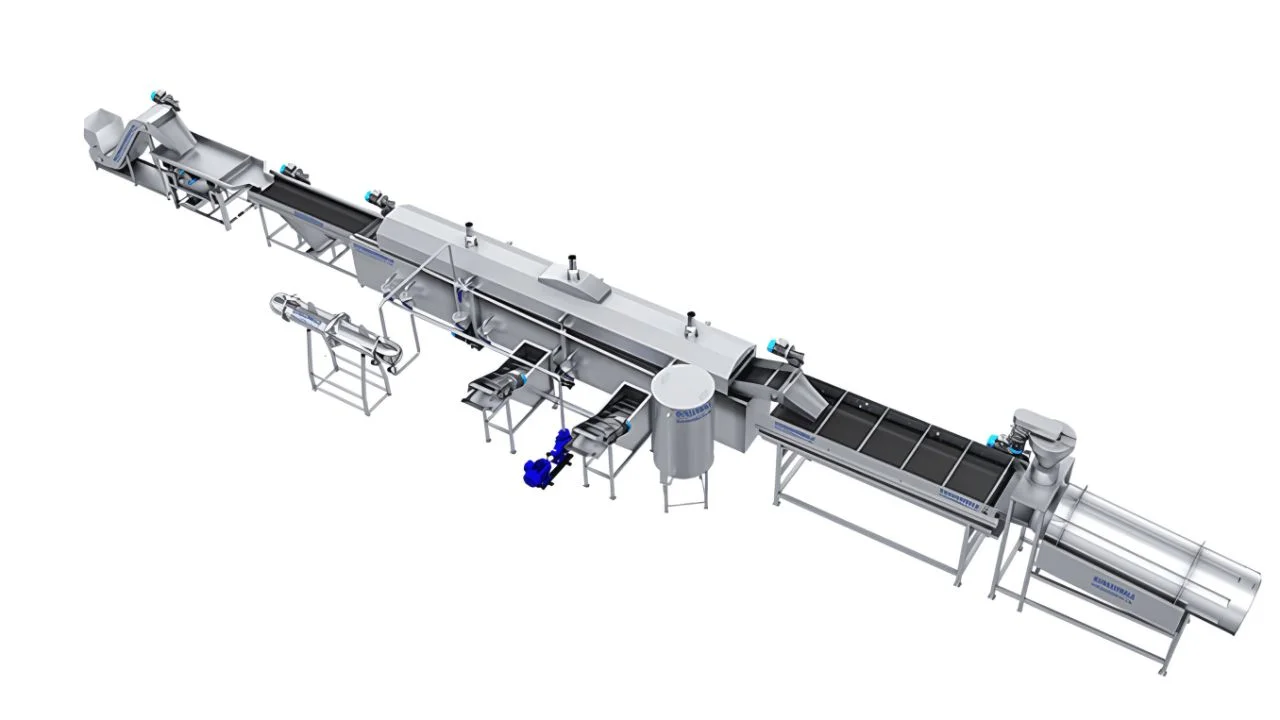
An instant noodles production line is a complete machine setup that handles the entire process – from raw ingredients to the final packed noodles, It includes dough mixing, sheeting, steaming, cutting, frying or drying, cooling, and packaging all in an automatic process, This system is designed for fast, hygienic, and large-scale production.
2. Step by Step Instant Noodle Production Process
Step 1 – Ingredients Mixing- The process starts with mixing flour, water, salt, kansui alkaline water, and flavor ingredients in a Dough Mixer Machine. Proper mixing time and speed are important to make smooth and elastic dough.
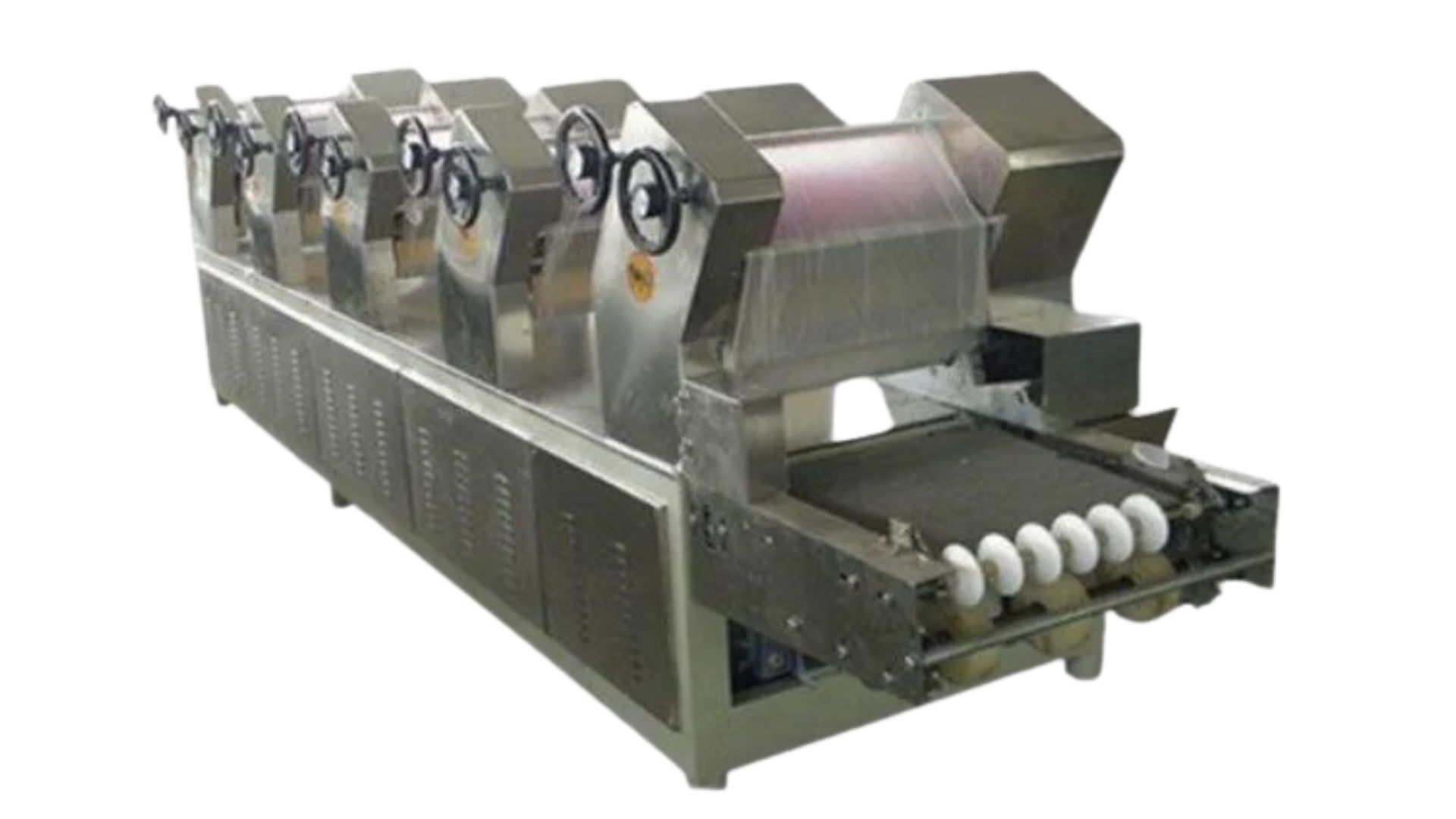
Step 2 – Dough Sheeting –The ready dough is sent to a Sheeting Machine that rolls it into thin layers. Multiple rollers ensure uniform thickness.
Step 3 – Steaming – The sheet is placed on a Steaming Conveyor where high temperature steam partially cooks the dough. This step ensures the noodles are half cooked and can be quickly prepared later.
Step 4 – Cutting and Shaping – Steamed dough sheets are cut into noodle strips using cutting blades. Both curly and straight noodles can be made here.
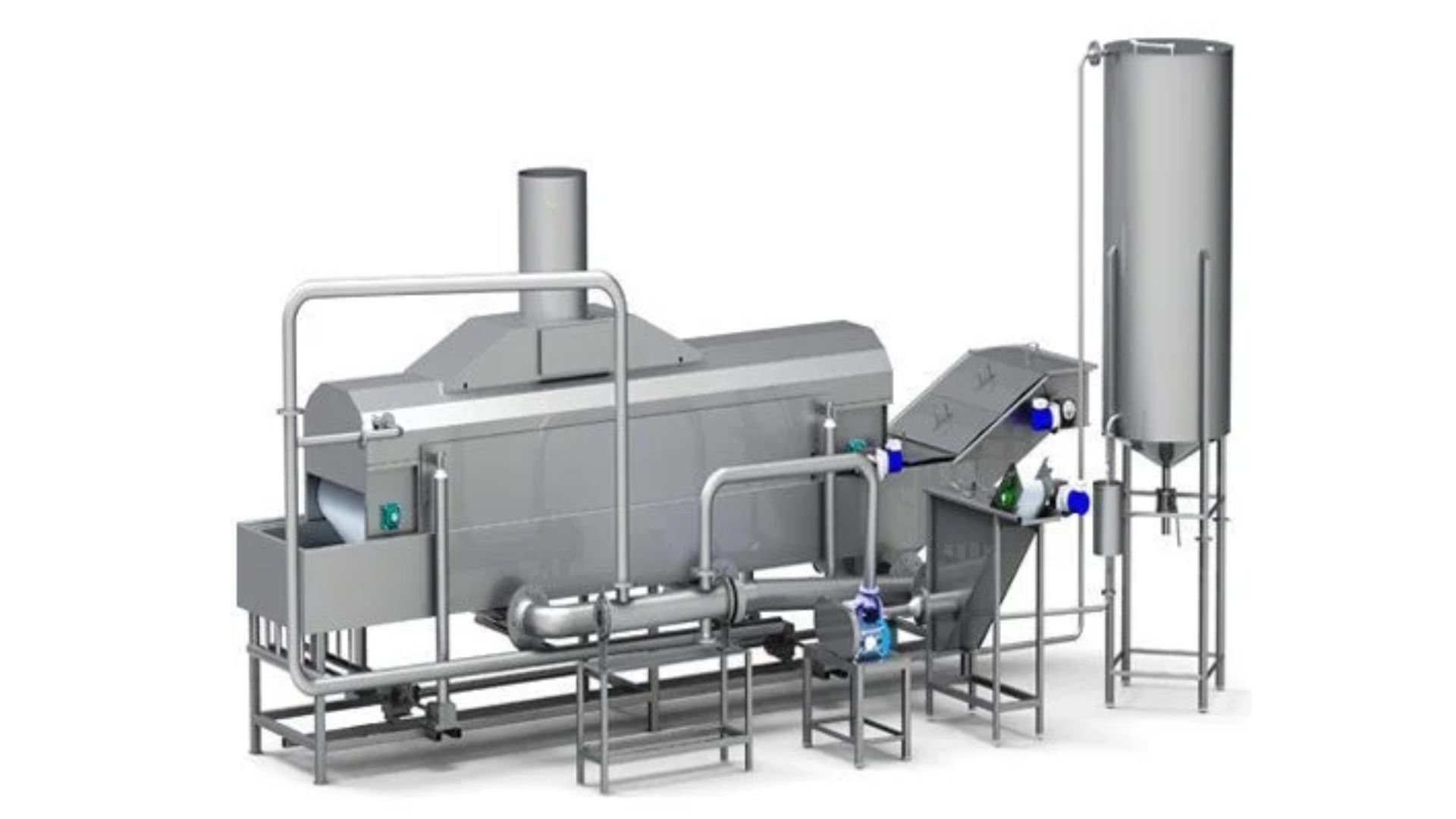
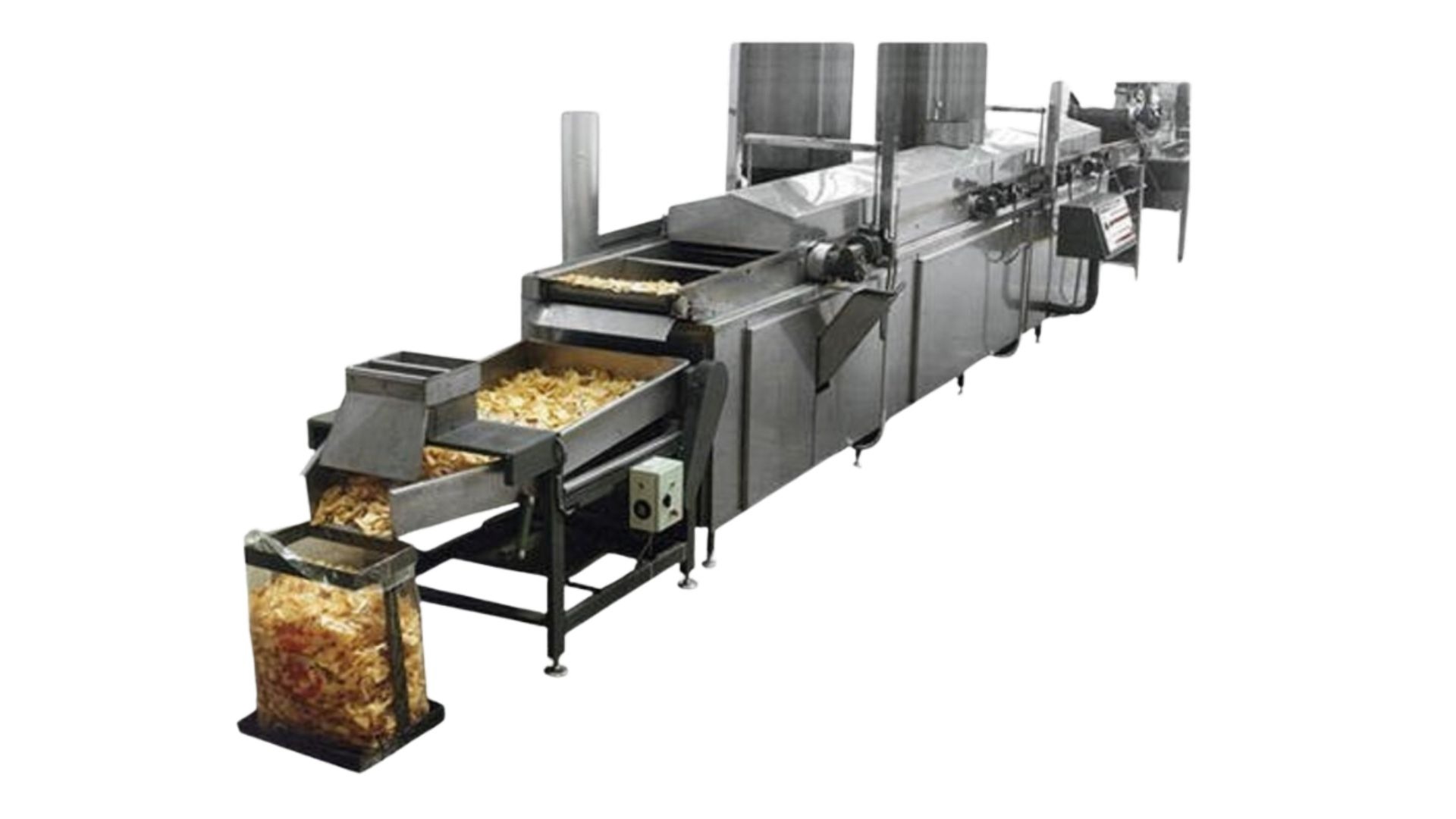
Step 5 – Frying or Drying – Fried Instant Noodles – Passed through an oil fryer to remove moisture and make them crispy. Non-Fried Instant Noodles – Passed through a hot air drying system for a healthier option.
Step 6 – Cooling – The fried or dried noodles are cooled on a Cooling Conveyor to room temperature to avoid moisture issues in packaging.
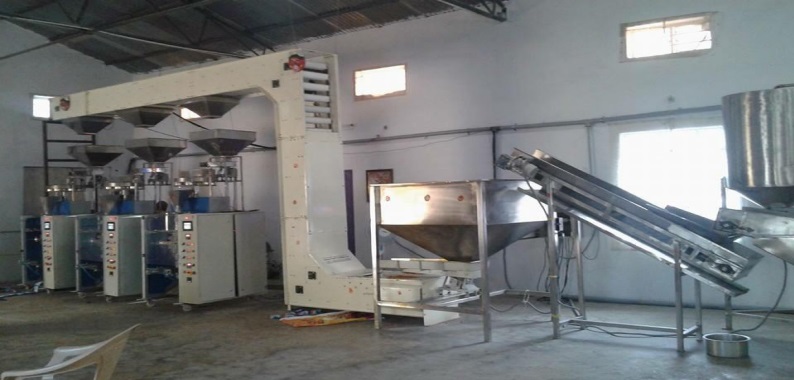
Step 7 – Packaging – An Automatic Packing Machine packs the noodles into airtight packets, keeping them fresh and safe.
3. Machines Used in an Instant Noodle Production Line
- Flour Mixer Machine
- Dough Sheeter Machine
- Steaming Conveyor
- Cutting Machine
- Frying Machine / Drying Oven
- Cooling Conveyor
- Automatic Packaging Machine
Gulab Singh & Co offers high-quality, durable, and low-maintenance machines suitable for long-term production.
4. Quality Control in Instant Noodles Production
Maintaining quality is very important.
- Raw material testing – Checking flour’s protein level and moisture content.
- Cooking consistency – Maintaining the right steaming and frying temperature.
- Hygiene standards – Stainless steel machines for easy cleaning.
- Packaging check – Ensuring seal strength and accurate packet weight.
5. Business Benefits of an Automatic Instant Noodle Production Line
- Fast Production – 24/7 operation possible.
- Consistent Quality – Same taste and texture in every batch.
- Low Labour Cost – Fewer workers needed due to automation.
- Scalability – Easy to increase production when demand rises.
- Hygienic Process – Enclosed machines reduce contamination risk.
6. Trends in the Instant Noodle Industry
- Healthy Options – Growing demand for non-fried and whole wheat noodles.
- New Flavors – Fusion of local and international tastes.
- Eco-friendly Packaging – Shift towards biodegradable packaging.
- Automation & Smart Technology – AI-based quality control systems.
7. Why Choose Gulab Singh & Co?
- Trusted Experience – Years of expertise in the food machinery industry.
- Custom Solutions – Machines designed as per client needs.
- Durable Machines – Stainless steel build, low maintenance.
- Complete Support – Installation, training, and after-sales service.
- Affordable Pricing – High quality at competitive rates.
Conclusion
The instant noodles production process is a well-organized system where each step – from mixing to final packaging – plays a key role. With automated production lines from Gulab Singh & Co, you can make noodles that are fast, hygienic, and high quality to meet growing market demand. If you are planning to start a food processing business or upgrade your setup, Gulab Singh & Co can be your best partner.